Preparing a karting driver for a 35°C race weekend
Heat is the most underestimated performance factor in karting. Here's the protocol we run from the Tuesday before a hot round to the cool-down after the final.
By James, Body Clinic
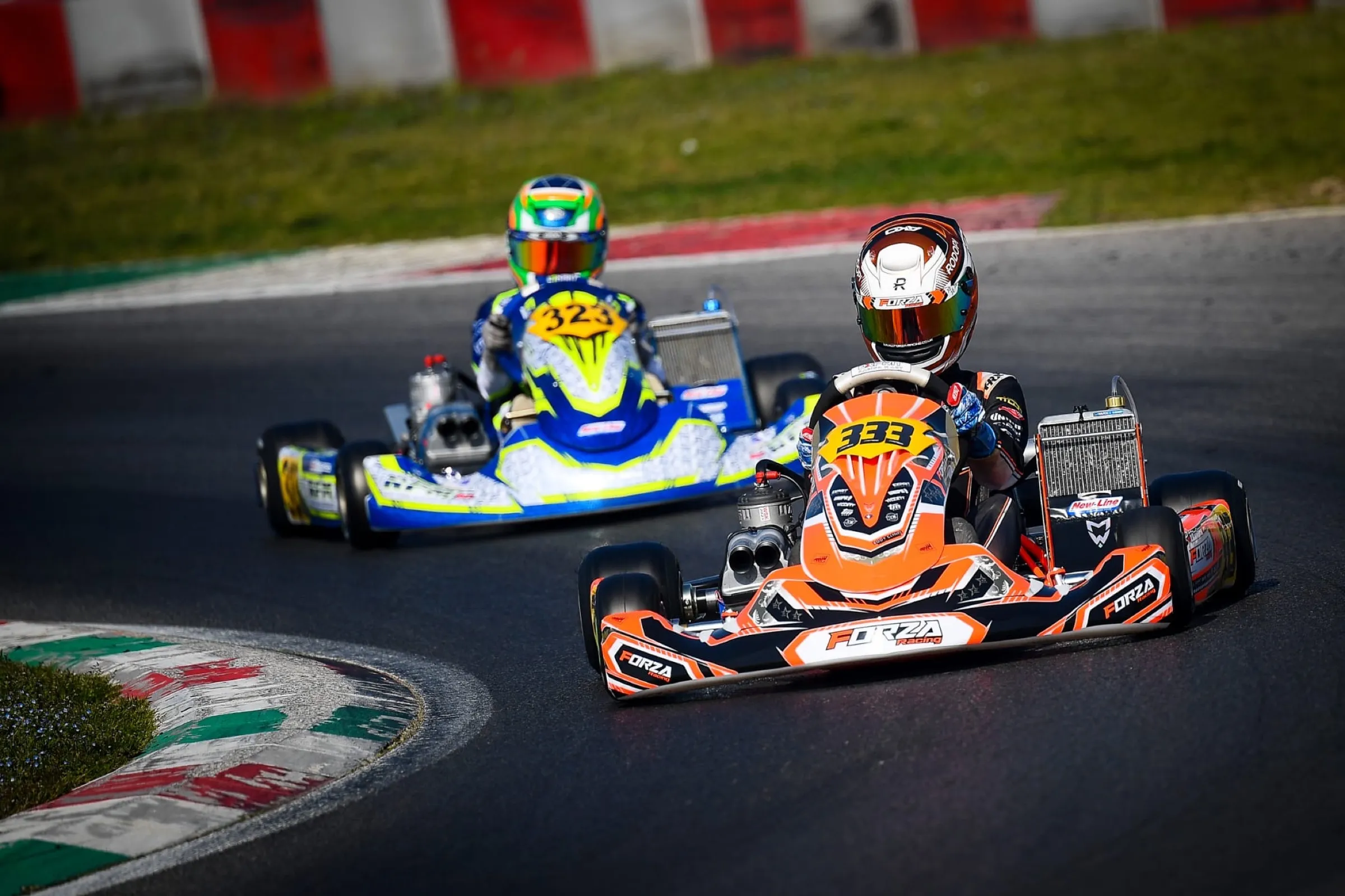
Every summer we watch talented drivers lose a weekend to heat. Not to a crash or a mechanical, but to a body that stopped cooperating on Saturday afternoon. Heat exhaustion in karting rarely looks dramatic. It looks like a driver who was quick in the morning and slow, irritable and error-prone by the final. The fix is not toughness. It's preparation, and it starts days before the transporter leaves.
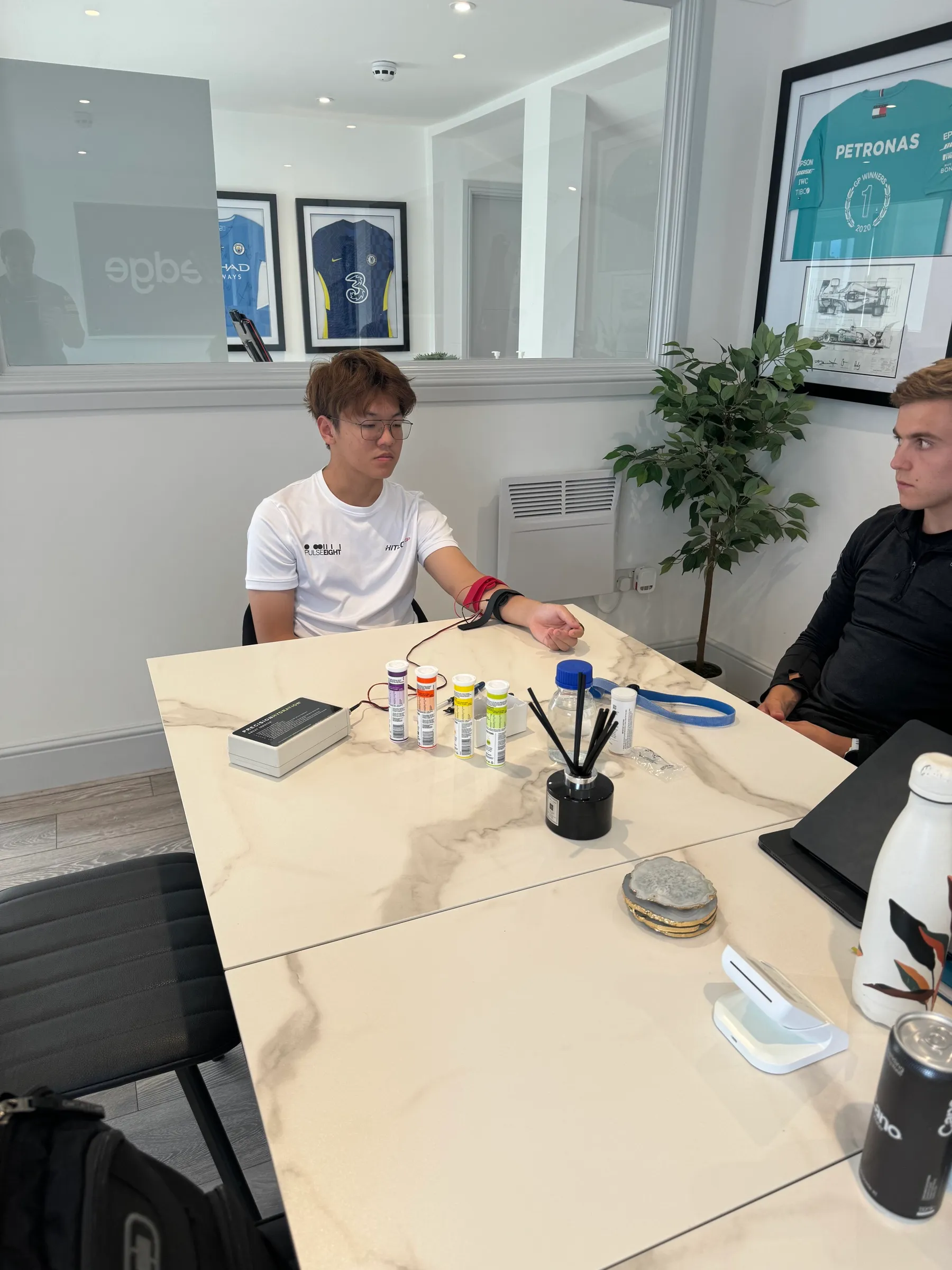
From the Tuesday before a hot round we shift the driver's routine. Hydration moves from a race-day task to a daily habit: water with electrolytes through the day, urine colour checked morning and evening, and a target volume the driver can actually hit. We add short heat exposure sessions, a hot bath or a warm training session, so the body starts adapting before it has to perform.
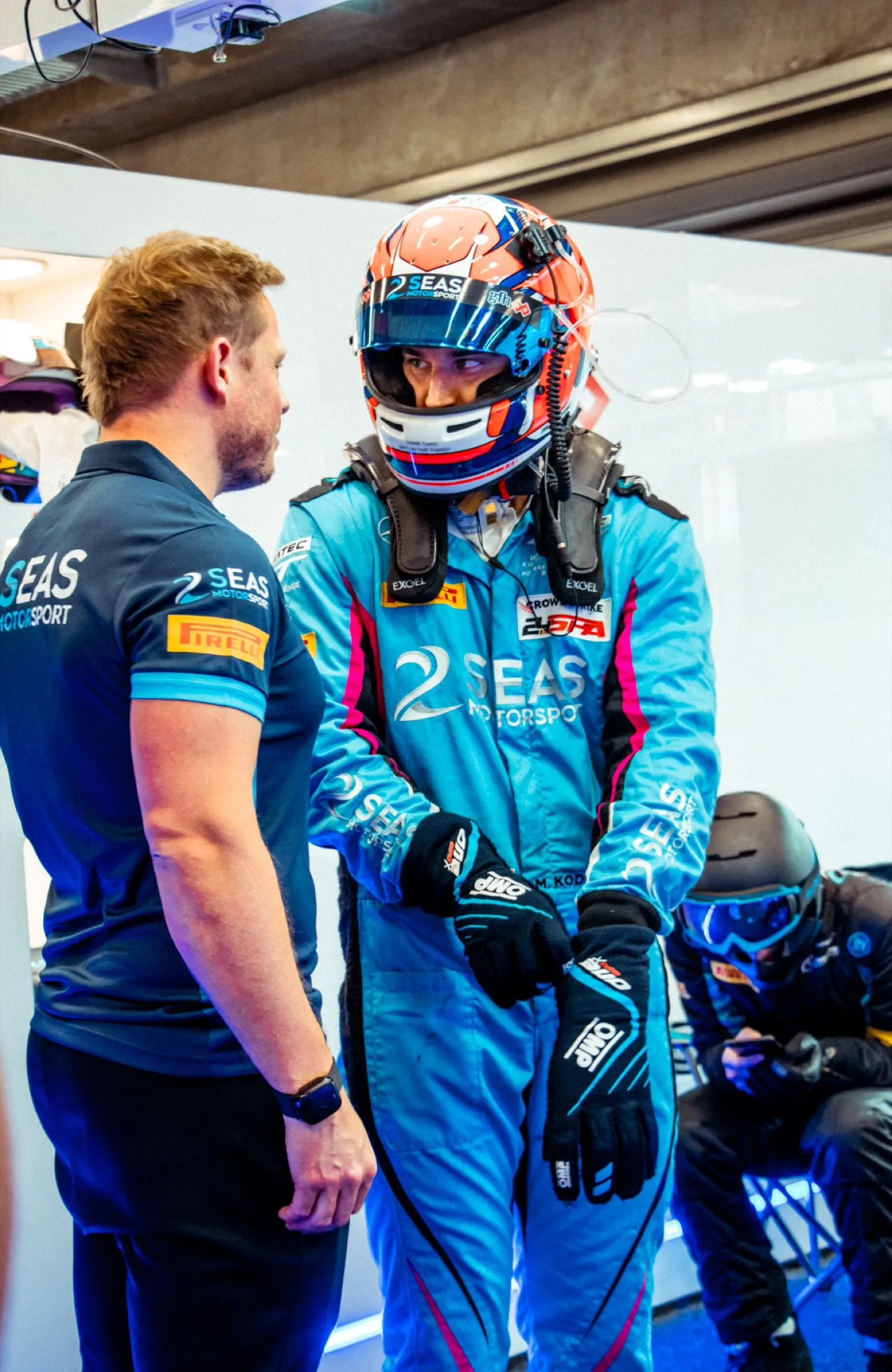
On the Friday we build the paddock around cooling. Shade for the driver between sessions, a cool towel and ice for the neck and wrists, and a strict rule that the suit comes down to the waist the moment the kart stops. Food is lighter and more frequent. We avoid the big lunch that leaves a driver flat in the afternoon heat.
On race day the warm-up changes. Shorter, in the shade, with the reaction and vision work done before the suit goes on. Between heats the priority is cooling and fluids, not debriefing. The debrief can wait ten minutes. The core temperature can't.
After the final, the cool-down is deliberate: fluids, food and fifteen minutes of low-intensity movement before the long drive home. Drivers who do this recover faster and arrive at the next round in better shape. It sounds like a lot. In practice it's a checklist, and it's the difference between a driver who fades and one who finishes the weekend the way they started it.