Why reaction training beats reaction testing
Light boards make great videos. They don't make faster drivers on their own. What we actually do to improve a driver's reactions, and how we measure it.
By Body Clinic
Reaction tests are popular because they're visible. A light board, a timer, a number that goes down over a session. The problem is that a simple reaction time, seeing a light and hitting it, is only loosely connected to what a driver does in a car. Racing reactions are about anticipation, peripheral vision and choosing the right response under load, not just speed.
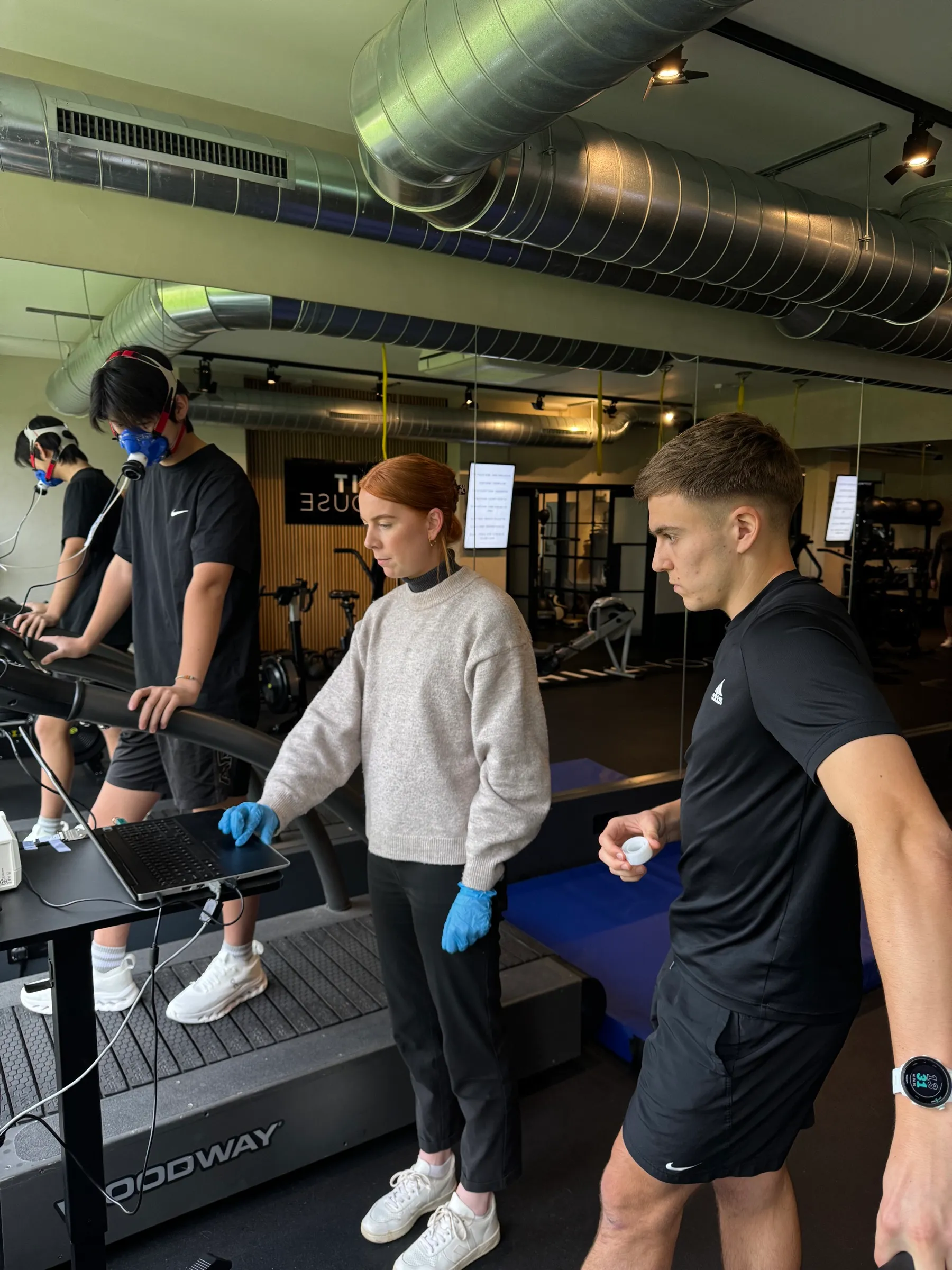
So we train differently. Drills combine a physical task, holding a plank, riding a bike at threshold, with a visual decision: two lights, different responses, changing rules. We add peripheral targets so the driver learns to keep their eyes forward and pick up information at the edge of vision. We train in the fatigued state that matches the last five laps of a race, because that's when reactions decide results.
We still measure. Baseline and re-test every few months, on the same equipment under the same conditions. But the number is a check, not the goal. The goal is a driver who sees the gap earlier, commits sooner and doesn't lose the thread when tired. That shows up on the timing screen, which is the only reaction test that matters.